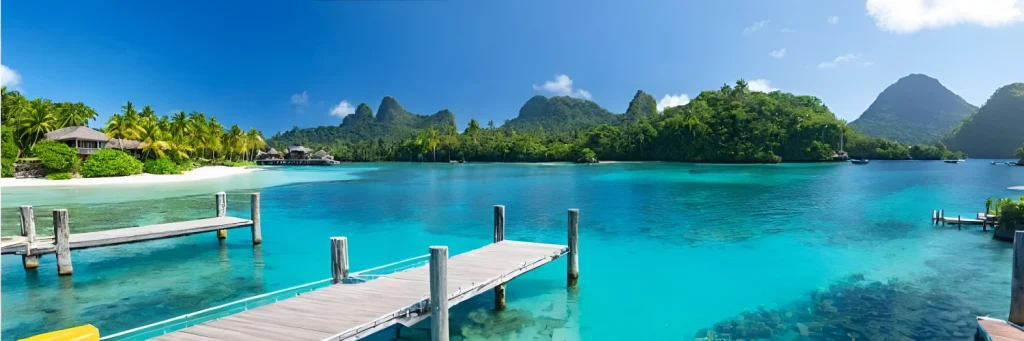
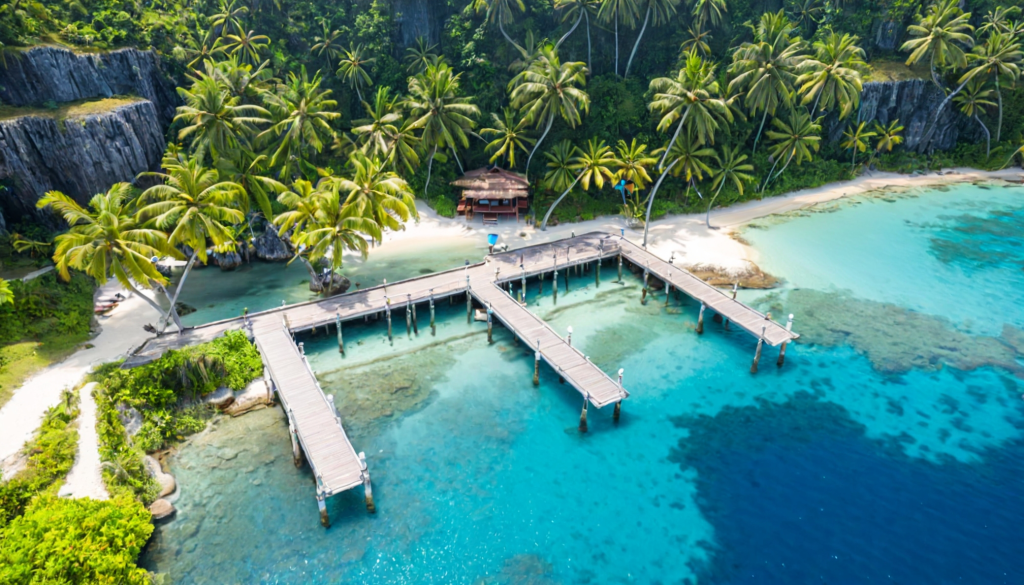
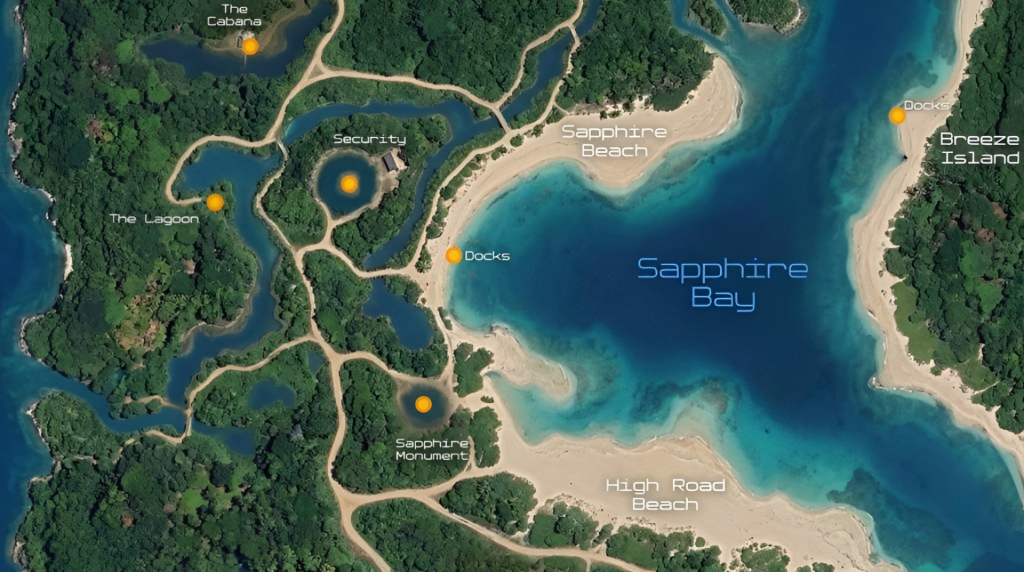
The Sapphire Bay docks serve as the main point of arrival for visitors, whether they come by ferry, Lia Tan boat, private yacht, or seaplane tender. The docks are simple but welcoming, sturdy wooden piers stretching out into the turquoise water, framed by white sands and palm groves. From here, guests disembark and step directly into the heart of the islands, greeted by Nariat hosts and the first hints of paradise.
Though modest in design, the docks are the living threshold between the outside world and New Cyana’s sun-soaked archipelago, the symbolic first step into paradise. Just beyond the landing, guests will find the Visitors’ Center, the first of many located across the archipelago. Staffed day and night, the center provides assistance with orientation, reservations, and personal requests, ensuring a smooth arrival. Similar centers are found at every major hub across the islands, so visitors are never far from help or guidance,
Author: HTH Studios
-
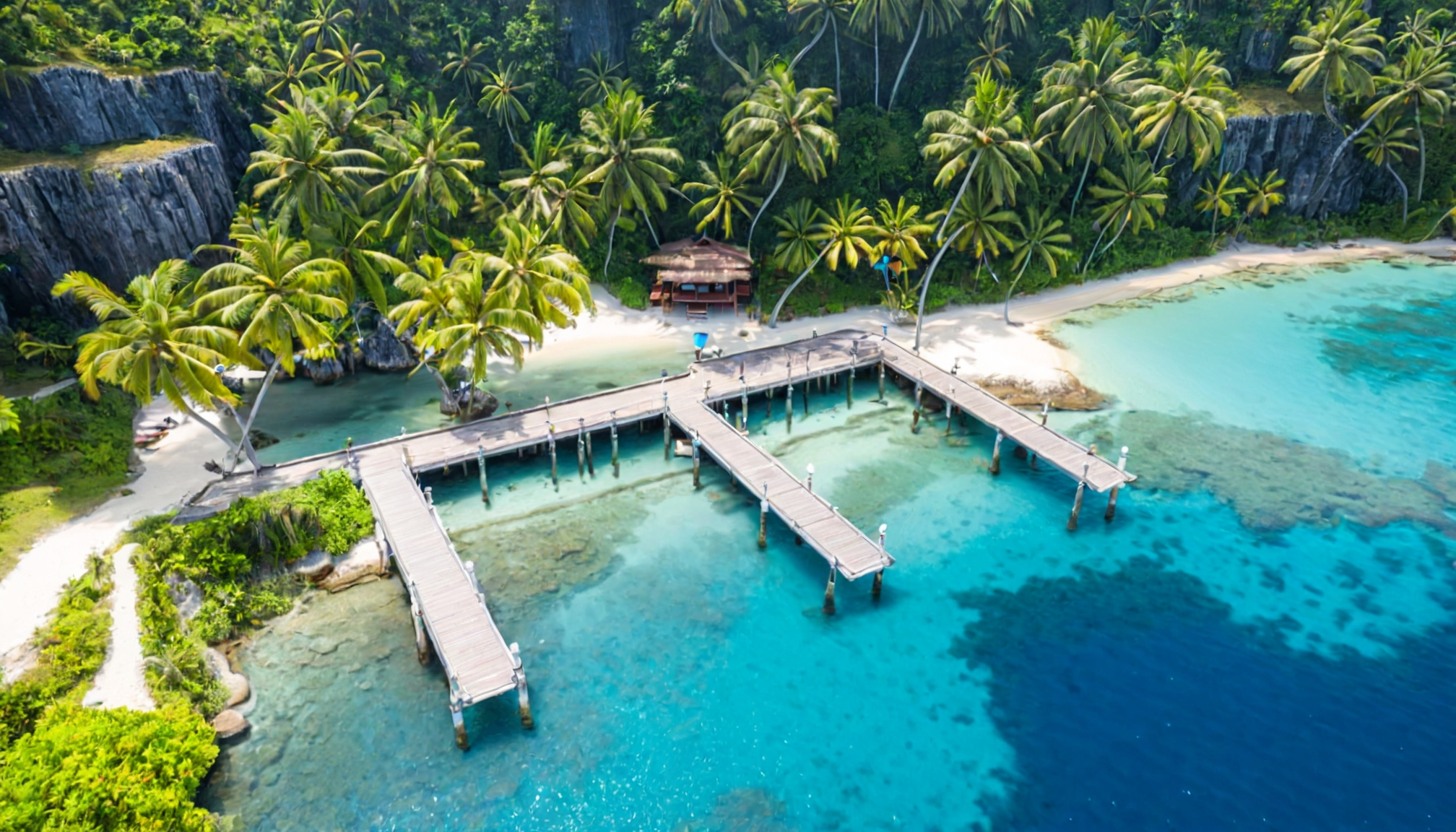
The Sapphire Bay Docks
-
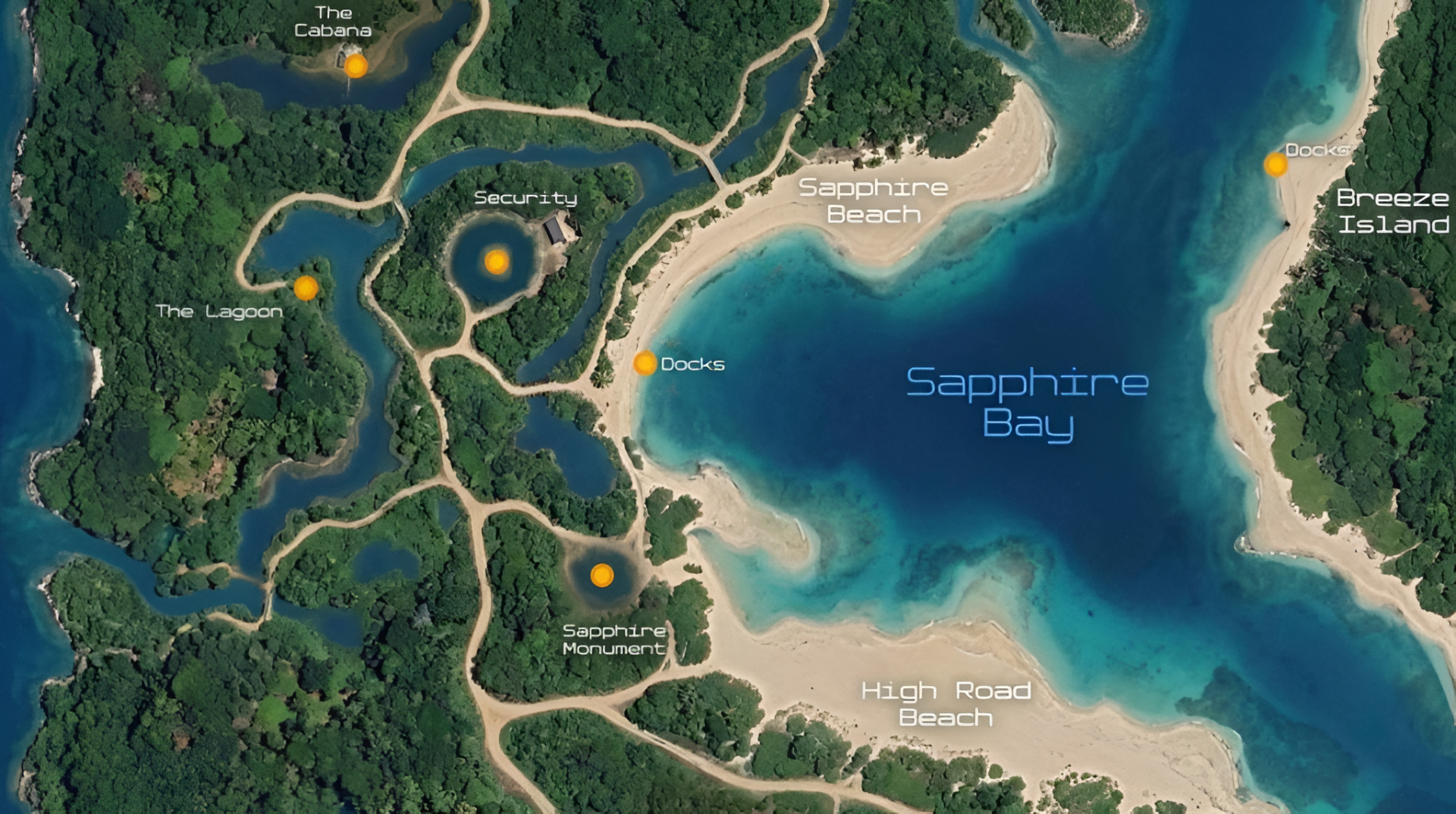
Sapphire Bay
EXPLORE
Every journey into the New Cyana Islands begins at Sapphire Bay, the central hub where visitors first set foot on the archipelago. Whether arriving by seaplane, ferry, or sleek private skiff, guests disembark at the pier that stretches into waters so clear they mirror the sky. This is the island’s front door, the threshold between the outside world and the wonders of New Cyana.
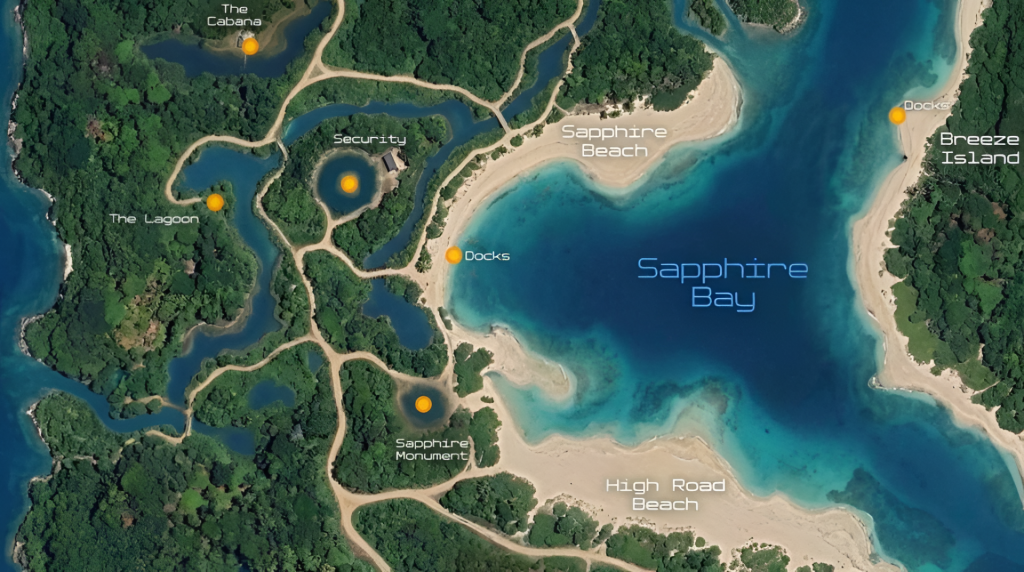
The bay is deliberately uncluttered to preserve its sense of arrival. White sand arcs around the lagoon, while palms lean over the shore, offering shade from the equatorial sun. Nariat greeters in bright ceremonial paint welcome travelers with drinks served in carved shells and woven garlands of island flowers. From the pier, guests are invited to choose their path into the greater experience.
To the west lies the lagoon, where daylight leisure transforms into luminous nightlife. To the south stretches the Sapphire Forest, a labyrinth of mist, vines, and hidden pools. To the east, on nearby Breeze Island, rises the villa, and to the north, the fabled Tower Point, a vertical city of indulgence.
Though the bay is serene, it is never empty. Fishing canoes and guest ferries crisscross the water, music drifts faintly from distant clubs, and the constant pulse of waves sets the rhythm of the island.
By night, torches are lit along the pier, guiding travelers back from their first forays into the archipelago. Every path leads outward from Sapphire Bay, but most return here, making the bay both the beginning and the heartbeat of the islands.
Explore Sapphire Bay
By Area
-

The Original High Tail Hall
Flash – 2003
High Tail Hall was a quiet revolution in the Flash era: one of the earliest erotic environments to treat desire as a place rather than a sequence of scenes. Built at a time when most adult games were little more than galleries and menus, High Tail Hall offered something looser, warmer, and more human—an environment you inhabited rather than consumed. Rooms connected with intention, characters lingered instead of posing, and the experience rewarded wandering, curiosity, and mood over mechanical progression.


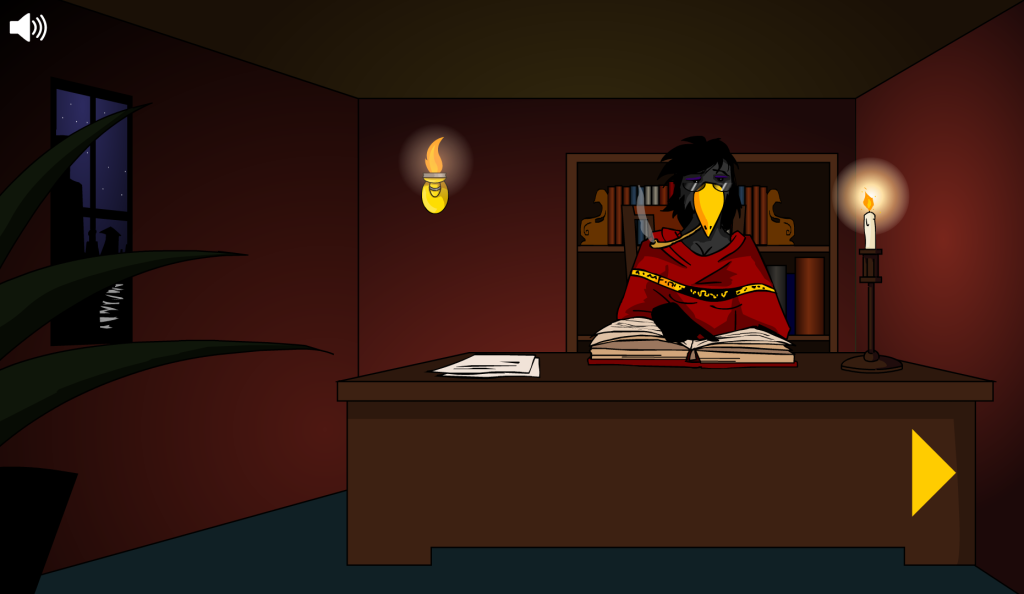
Emerging alongside contemporaries like The Tail Underground, High Tail Hall ultimately carved out the largest and most enduring niche in the fandom for casual, immersive erotic play. It wasn’t about escalation or spectacle; it was about atmosphere, familiarity, and the slow burn of a space that felt lived in. Even now, that particular blend of intimacy and environmental storytelling remains strangely underrepresented across adult media.
Remasters
That is about to change. High Tail Hall is returning with a full ground-up remake, rebuilding the original experience with modern tools while preserving the tone that made it resonate in the first place.
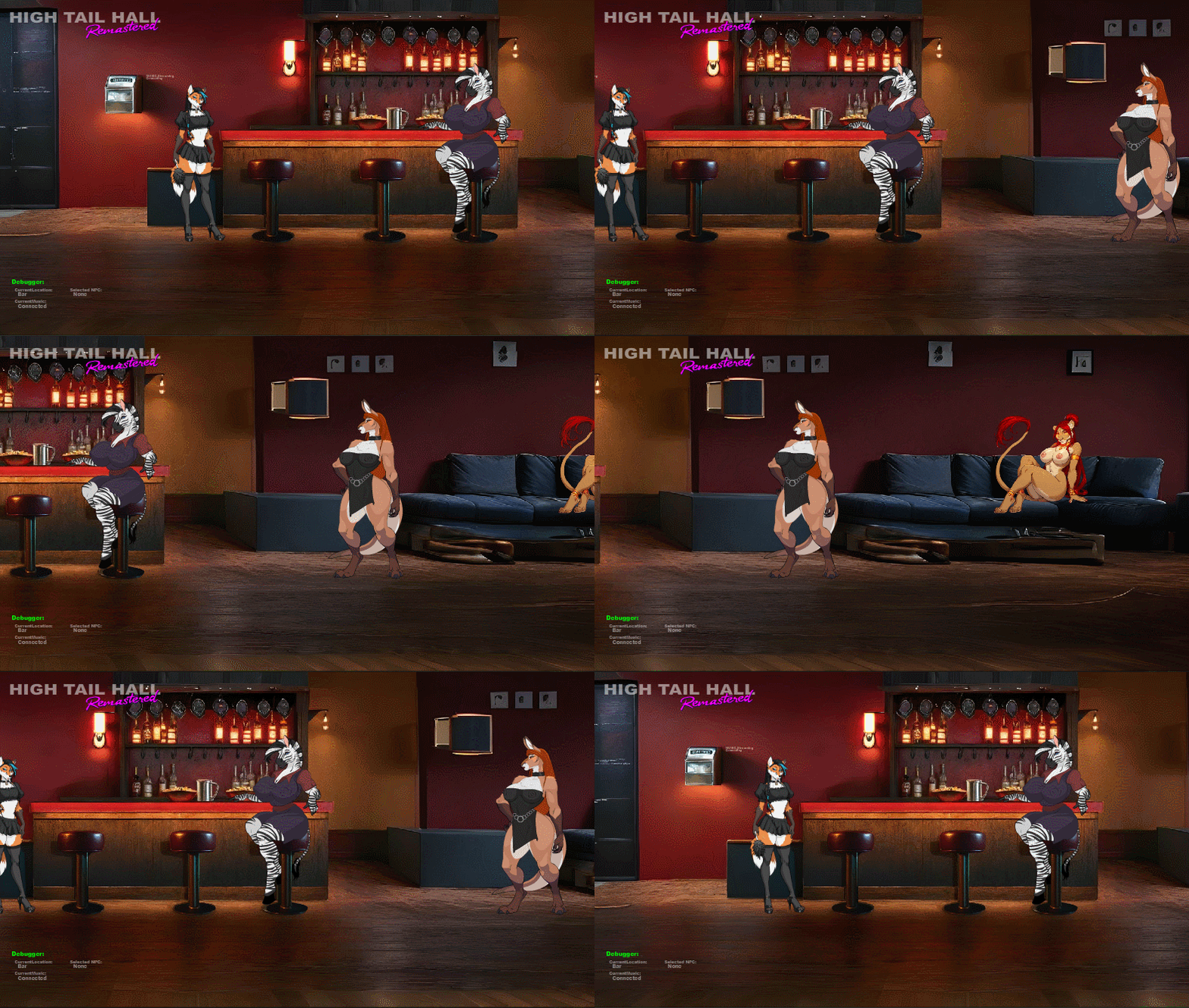
Alongside it comes High Tail Hall 2, expanding the concept into new spaces and rhythms. Together, they represent a renewed commitment to erotic worlds that invite players to stay, explore, and settle in.
-

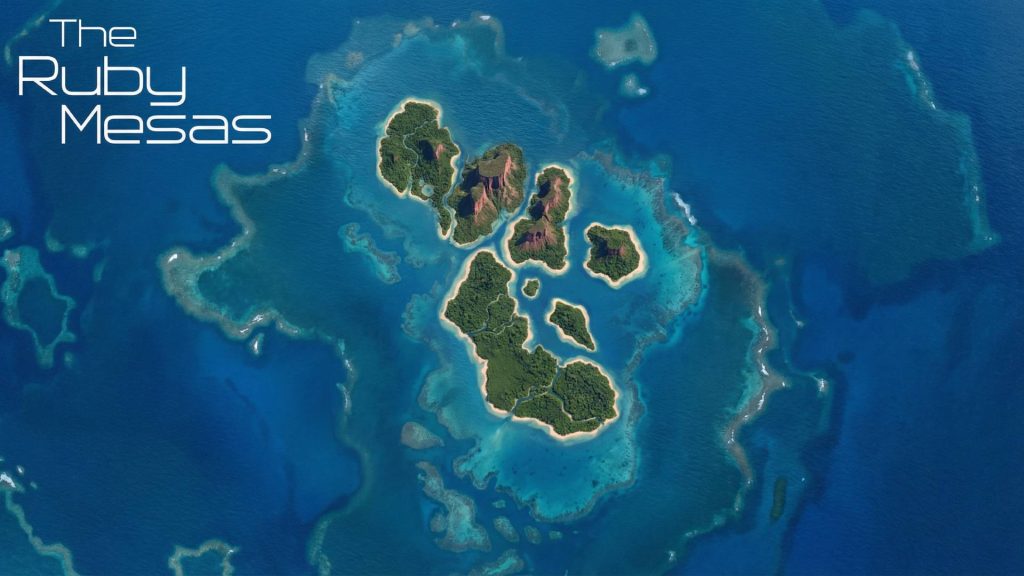
The Ruby Mesas
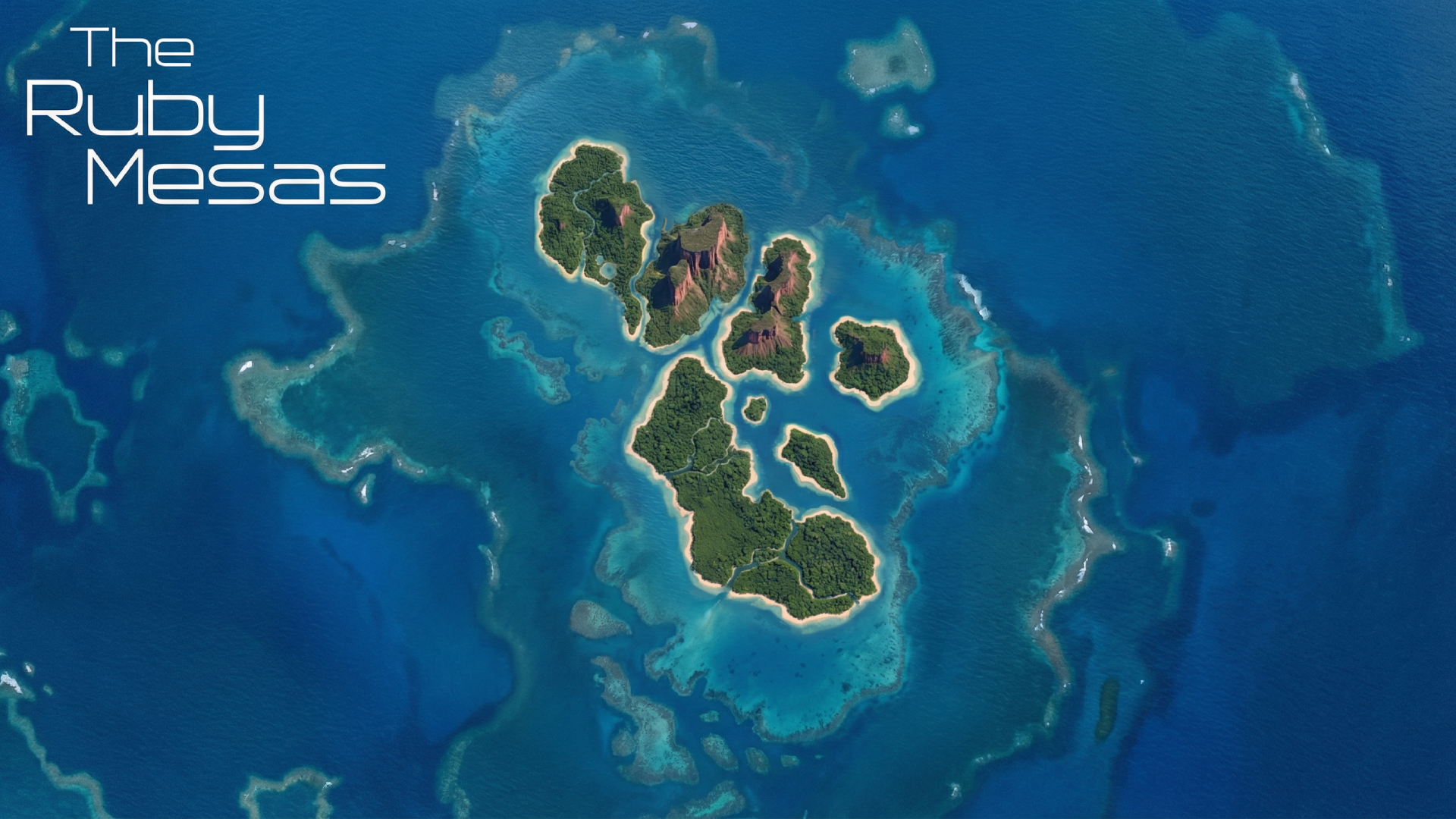
The Ruby Mesas represent the most dramatic elevation shift in the New Cyana archipelago, rising sharply from coastal lowlands to high plateau flats in a manner reminiscent of ancient Cyana and the elder subcontinental fragment from which the islands are all that remain.
The southern reaches consist of beaches, marshlands, and open grasslands that give way to a modest central steppeland. From there, the terrain climbs abruptly to three large mesa formations—broad, flat-topped expanses of red rock and sparse vegetation that dominate the skyline.
This cluster is the territory of the Zyolma (jaguar-associated tribes), who maintain a highly secluded yet self-sufficient presence. While economic arrangements with HTH Studios exist, they are limited and respectful; the Zyolma retain primary authority over their domain and have extended measured welcome to select visitors.
Regionally and culturally, the Ruby Mesas stand apart. The landscape is not strictly jungle—open sky, wind-scoured stone, and vast horizontal vistas create an exotic, almost otherworldly contrast to the lush clusters elsewhere. This is the outdoors of the outdoors: kayaking through coastal channels, multi-day trail hikes across the steppe lands and up mesa flanks, rock climbing on sheer red walls. Activities here demand preparation and endurance rather than casual access.
Cultural preservation is strongest in this region. Several temples are carved directly into the mesa rock faces, accessible only by guided paths. The Jaguar Village, a living Zyolma settlement, is open to vetted visitors under strict protocols that honor tribal customs and privacy.
The Ruby Mesas offer raw, unfiltered immersion: elevation, isolation, and cultural depth that reward those seeking authenticity over convenience. Development remains minimal by design; the mesas preserve their stark beauty and tribal sovereignty.
Explore The Ruby Mesas
-
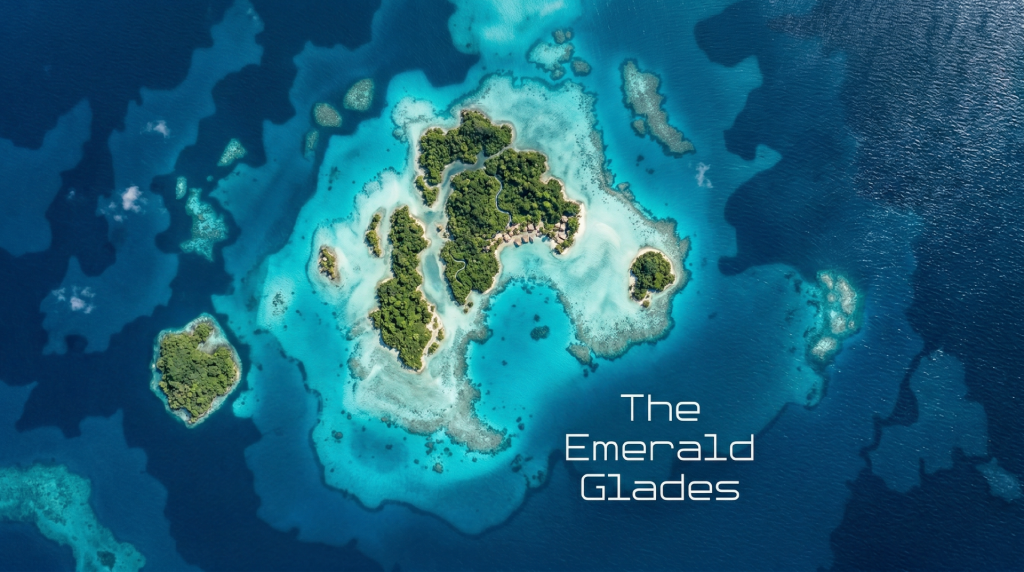
The Emerald Glades
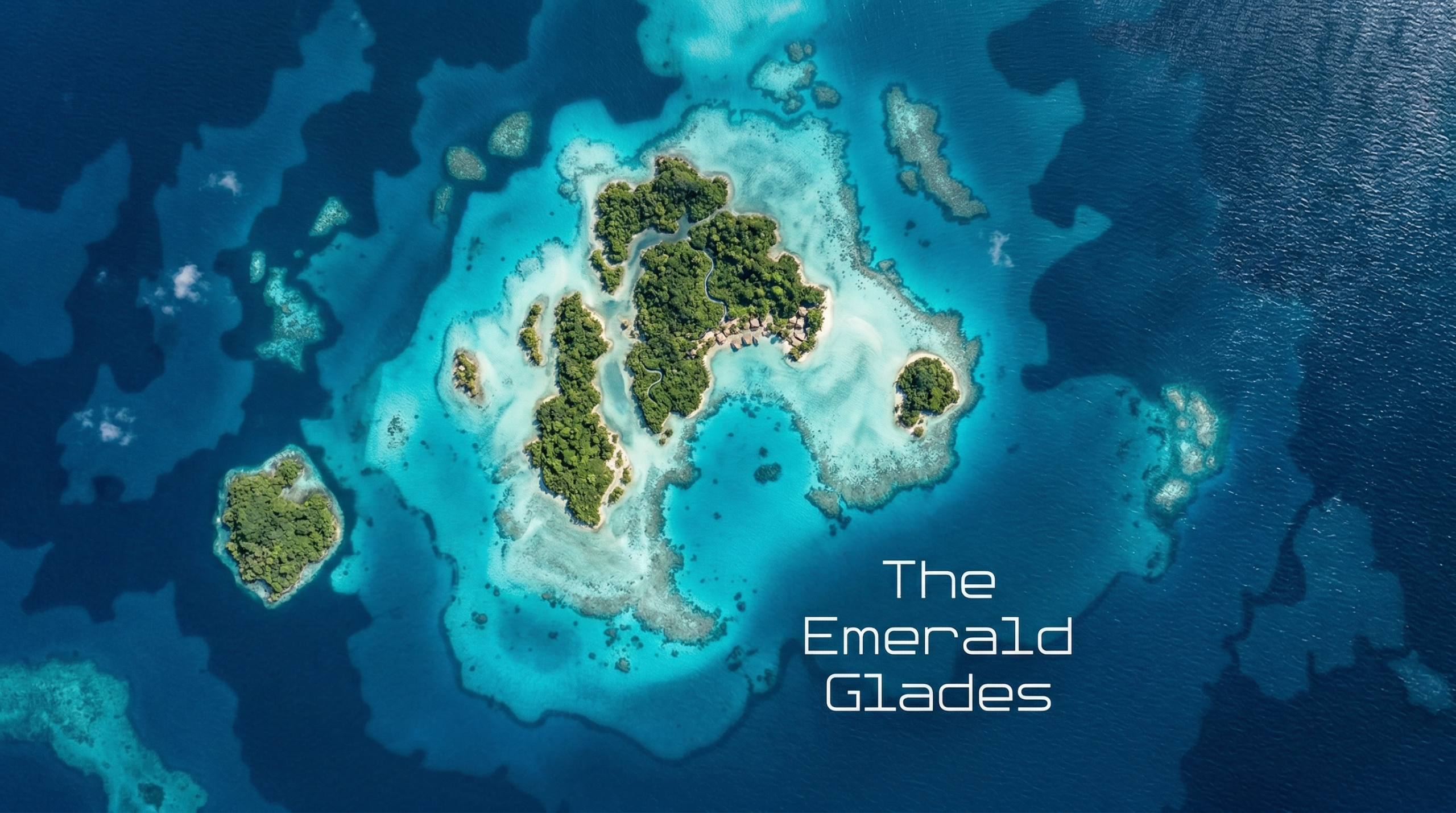
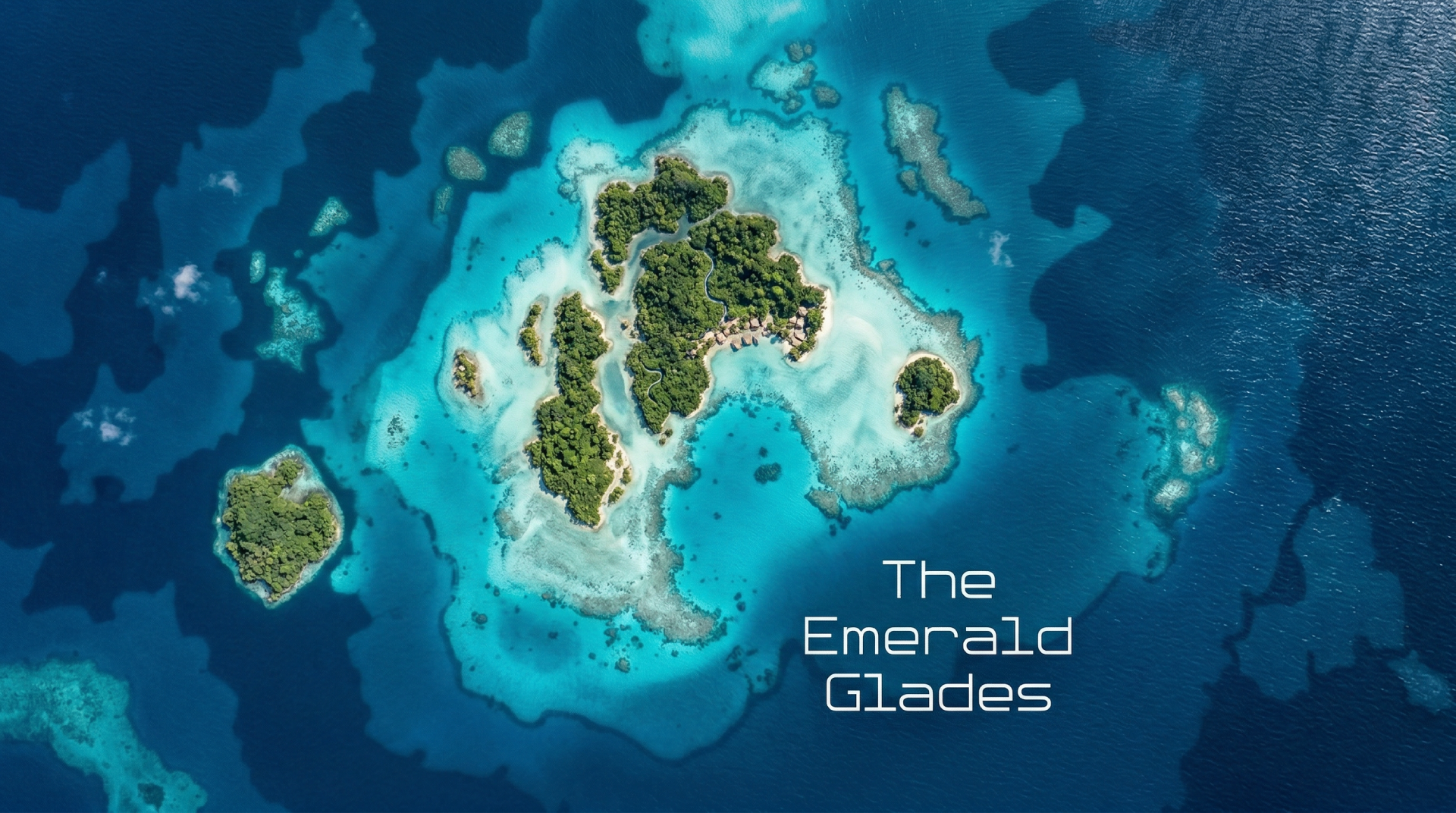
The Emerald Glades form a compact, mountainous cluster southwest of the Sapphire Islands, characterized by dense rainforest cover, steep ridges, and minimal modern infrastructure. This region prioritizes natural preservation and tribal sovereignty, with development limited to carefully approved peripheral zones. The interior remains the domain of indigenous peoples and wildlife, offering visitors a quieter, more contemplative experience focused on archaeology, ecology, and restrained indulgence.
The Glades are home to significant Nariatt archaeological heritage and living tribal communities. Economic arrangements with HTH Studios exist but are deliberately light-touch, respecting the primary authority of the local tribes (primarily the T’Zol, with Nariatt cultural ties and occasional Zyolma presence).
The Sun Temple Ruins An ancient Nariatt ceremonial site currently under careful excavation and restoration. The temple complex, partially reclaimed by jungle, features weathered stone carvings and stepped platforms that hint at pre-contact solar observatories. Access is guided and limited to preserve the site; visitors may observe ongoing work from designated viewing areas.
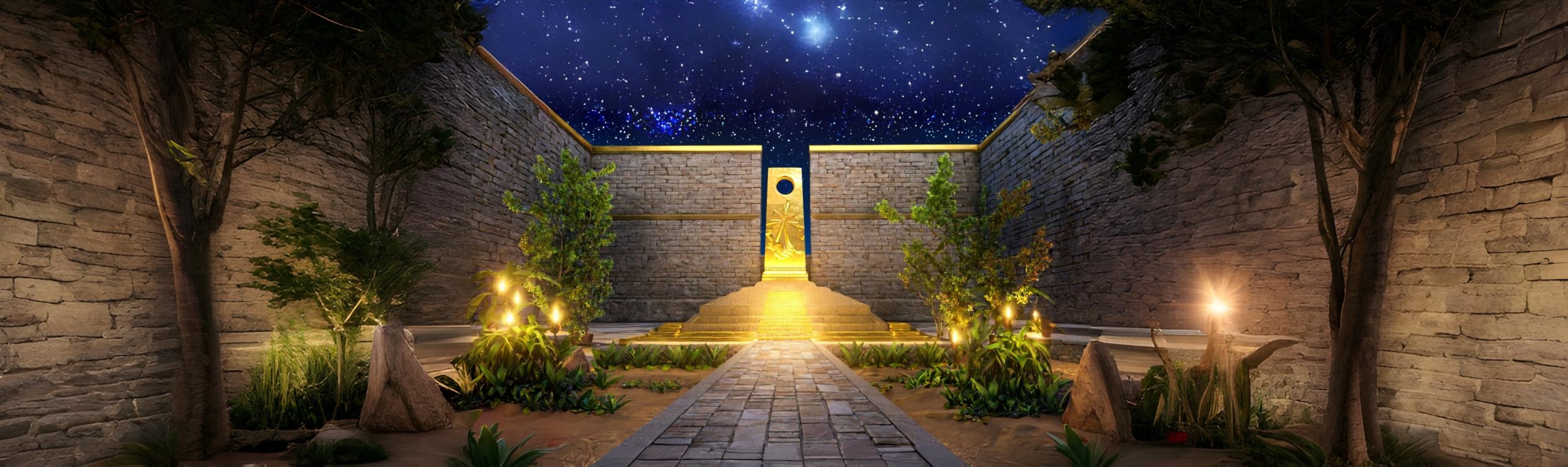
The Stone Ring A mysterious circular formation of standing stones arranged in precise alignment, believed to function as an ancient Nariatt sundial or astronomical marker. The ring sits in a high clearing, surrounded by mist and silence. Interpretation remains open—tribal elders describe it as a calendar of seasons and ceremonies. No touching or alteration is permitted; observation only.
The Bamboo Glades Vast stands of towering bamboo forest interwoven with streams and hidden clearings. The groves create natural cathedrals of light and shadow, alive with bird calls and the soft creak of wind through hollow stalks. Trails are narrow and maintained by tribal guides, emphasizing immersion in the soundscape and ecology of the area.
The Gold Room A resort facility styled after ancient Nariatt spa traditions, built into a sheltered ridge overlooking the glades. The design incorporates carved stone basins, heated mineral pools, and open-air pavilions that echo historical bathing practices. Service is discreet and professional, blending thermal therapy with privacy. Access requires prior reservation.
The Emerald Hot Springs A secluded thermal spring encircled by massive emerald geode formations that reflect light in deep green hues. The water emerges naturally warm, mineral-rich, and clear, set in a private jungle basin. The site is limited to small groups or individual bookings to maintain tranquility and ecological integrity. No structures intrude on the natural setting.
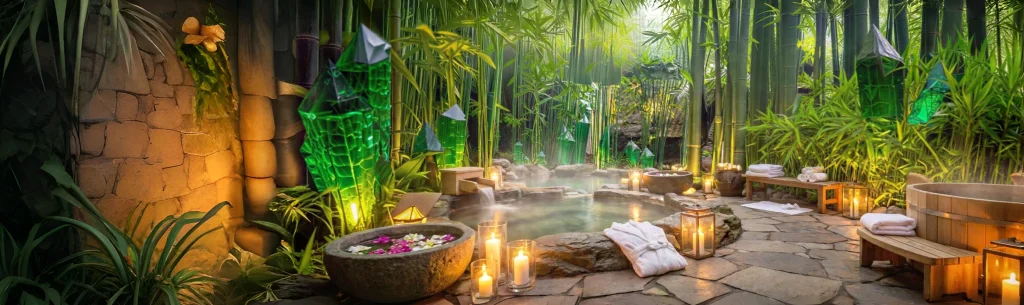
The Emerald Glades offer a counterpoint to the more developed hubs: fewer lights, fewer crowds, deeper connection to the land and its stewards. Paths here reward patience and respect.
Explore The Emerald Glades
-
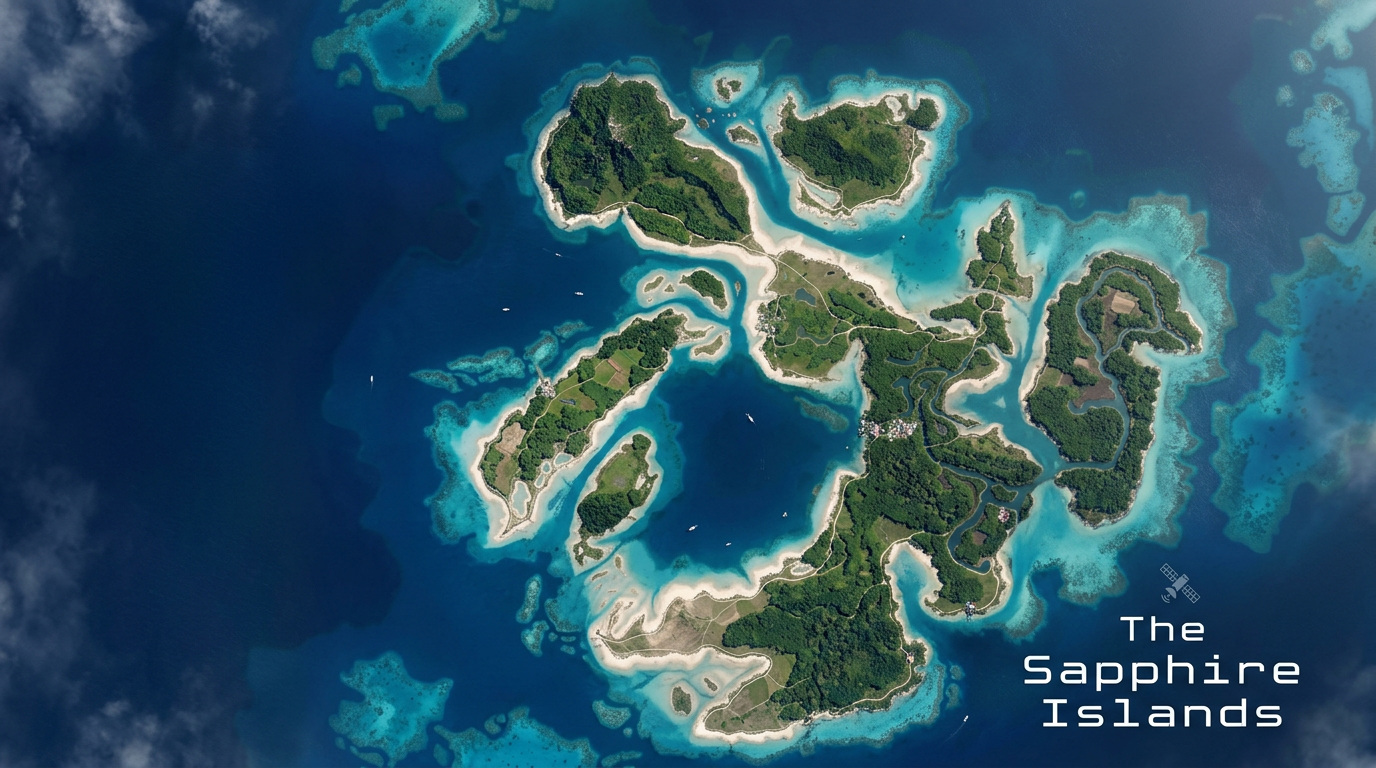
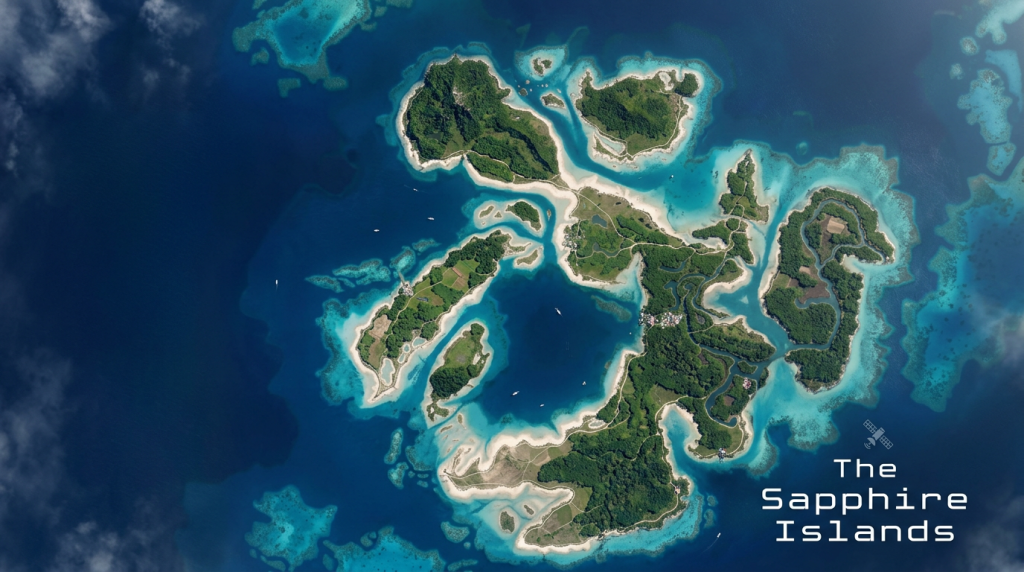
The Sapphire Islands
If the New Cyana Archipelago is paradise, then the Sapphire Islands are its radiant crown
This central cluster forms both the cultural and geographic core of the chain. A tapestry of white beaches, crystalline lagoons, and towering misty forests stitched together by ancient ridges and quiet bays. Here, the Nariat people first welcomed travelers, and here modern resorts now blend indulgence with wonder.
Every path, whether traced by dock, forest trail, or hidden waterway, seems to lead to a new revelation: the sensual glow of the lagoon, the primal mystery of the Sapphire Forest, the indulgent seclusion of the cabana, the sacred brilliance of the Sapphire Monument.
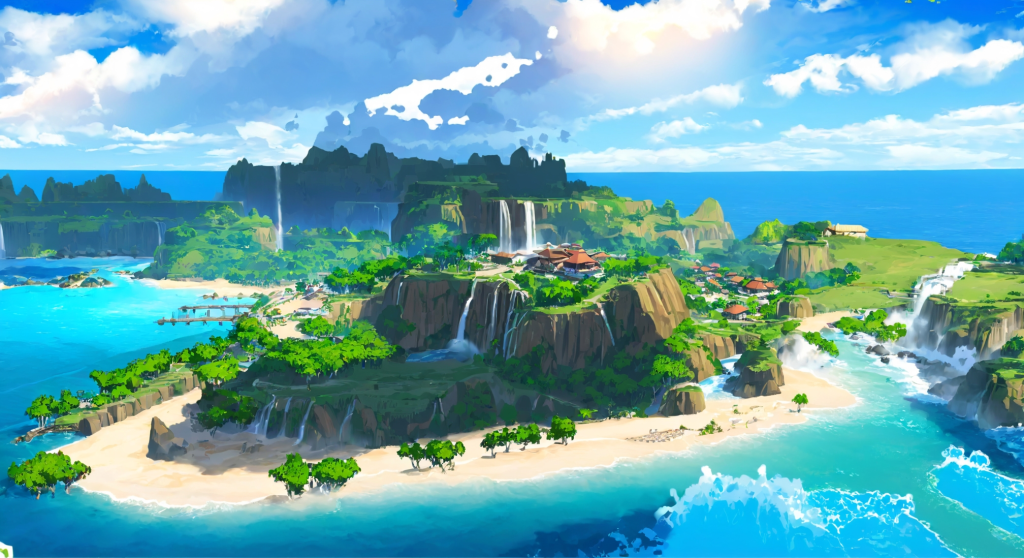
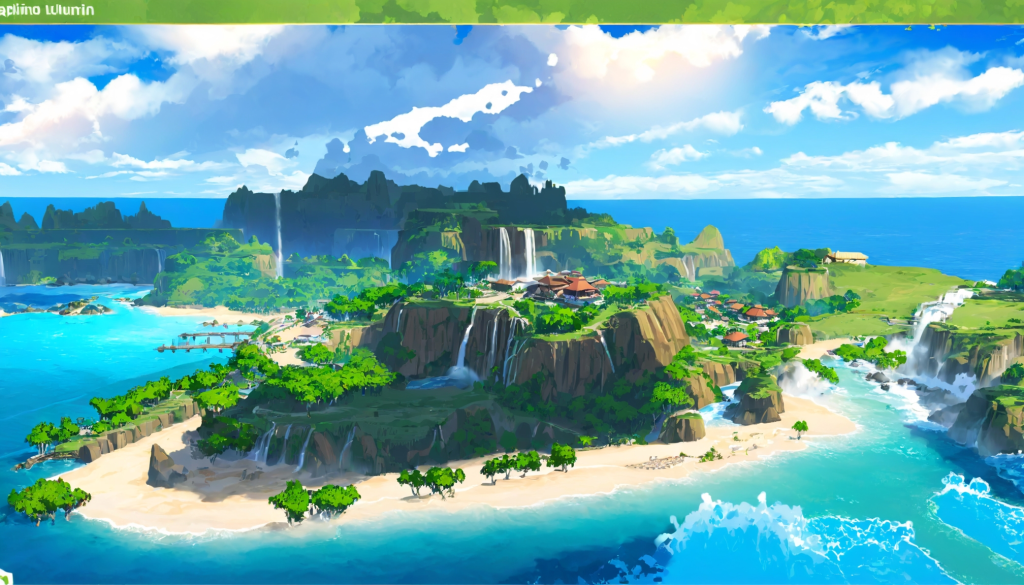
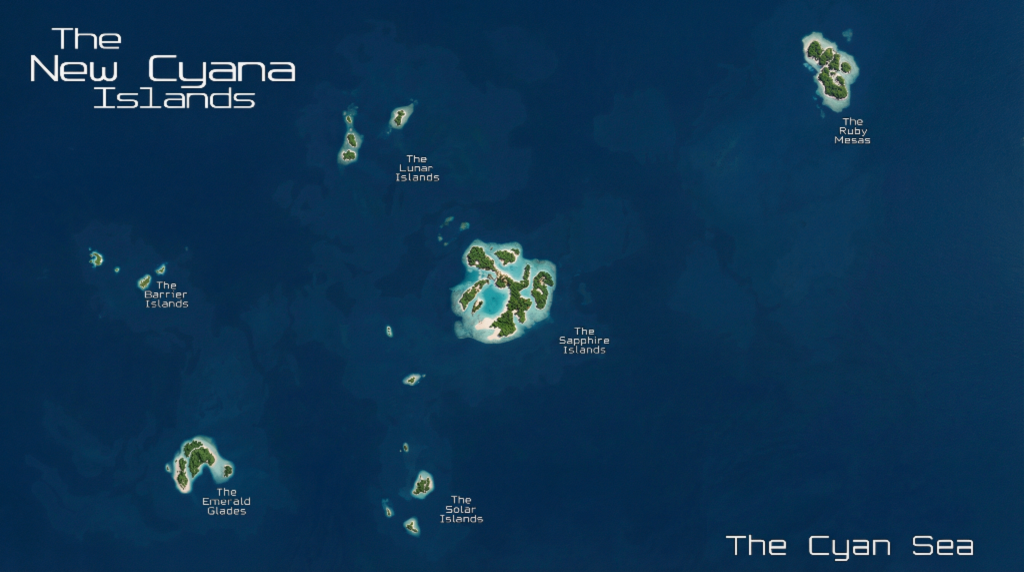
An Illustration of The New Cyana Islands For those seeking nightlife and spectacle, The Glass Room rises over the shoreline as a three-level dance club where music, light, and performance blur until dawn.
At Tower Point, guests ascend into a vertical world of arcades, cigar lounges, galleries, spas, gyms, and shopping promenades—an entire city of pleasure contained within shimmering glass that reflects sea and sky like a living jewel.
From dawn’s first swim at Sapphire Beach to the midnight rituals in lantern-lit grottoes, the islands offer both sanctuary and spectacle.
This hub serves as your guide into each of these destinations. Whether you’re here for leisure, lore, or something in between, the Sapphire Islands are where the story of New Cyana truly begins.
Explore The Sapphire Islands
By Region
-
The New Cyana Codex
Welcome To Paradise
This codex serves as your official companion to The New Cyana Islands—an orientation to their history, geography, customs, and expectations. Whether reviewed prior to departure or explored between excursions, it outlines the structure behind what many simply call escape.
The New Cyana Islands are a sovereign archipelago in the heart of the Cyan Sea, stewarded by the Nariatt tribal councils and operating under a special economic designation that permits carefully regulated partnership with select enterprises, including HTH Studios.
That designation is narrow in scope and precise in mandate. Cultural sites remain under Nariatt authority. Development occurs only within approved zones. Long-term preservation governs all expansion.
Access is selective. Development is deliberate. Every resort, monument, and shoreline you encounter exists within a framework designed to preserve ecological balance and cultural continuity. What appears effortless has been intentionally planned, audited, and maintained.
New Cyana does not measure itself by volume of visitors, but by standard of experience. Entry is restricted to adults. Capacity is capped. Privacy is enforced. The islands operate without mass terminals or spectacle tourism. Those who arrive are expected to respect the land, its people, and the agreements that make their presence possible.
Within these entries you will find an overview of the principal regions of the archipelago, its central hubs, its cultural landmarks, and the services that sustain its economy. The islands offer beauty and discretion, but they also operate on structure and consent.
To understand one is to understand the other.
Begin here.
INDEX
Geographic Overview
[IN PRODUCTION]
Geographic Overview
The Archipelago
The New Cyana Islands
The Emerald Glades
The Ruby Mesas
The Solar Islands
The Lunar Islands
The Barrier IslandsEcological Stewardship
Entertainment & Vertical Luxury
Cultural & Sacred Sites
Residential & Retreats
Companionship Services
Etiquette & Conduct
Navigation & Access
The Latest Entries

Is Covered Under The Homebrew Creators Initiative

A Note to our fans and creators: All information made available in these codices is free for you to adapt into your own writing, roleplay, and artworks, whether traditional, digital, or using the latest in AI.
This codex is part of our way of giving back to the fan base that has supported us for decades. Similar entries are being developed for Red Light District, Warrior Class, and Structure One.
Think of these entries as expanding, freely available campaign setting sourcebooks. They are designed to give you a foundation of lore, geography, and culture to build upon in your own stories, games, and art. While our in-house teams continue to develop large-scale projects like New Cyana, Warrior Class, and Structure One, these codices open the door for the community to play, experiment, and expand in parallel.
-
The New Cyana Islands
EXPLORE
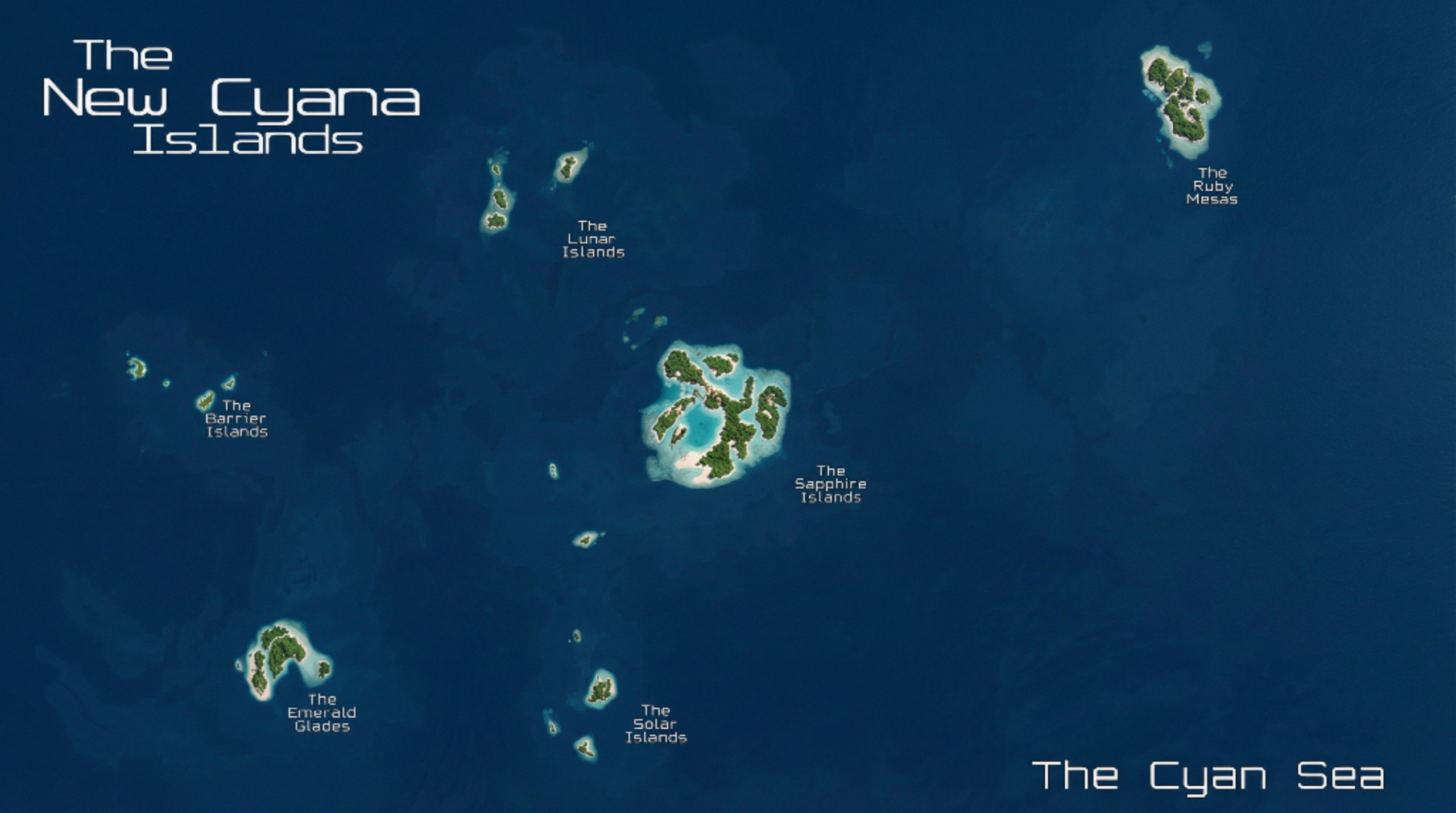
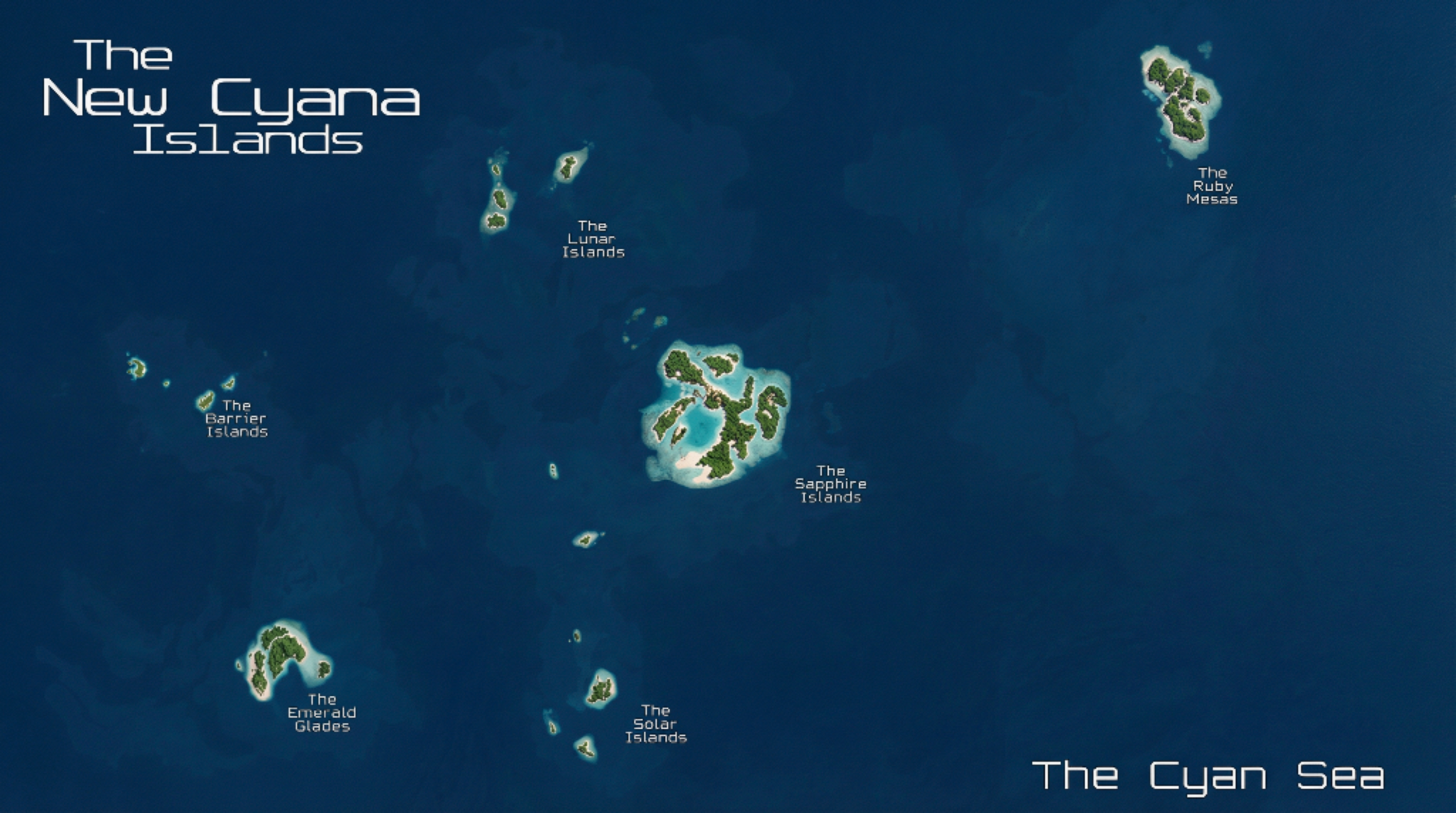
The New Cyana Islands are a loosely scattered archipelago chain, forming the sovereign territory of the independent nation of New Cyana. Roughly 13% of the islands have been designated for adult tourism — a carefully managed arrangement under the stewardship of HTH Studios, a private enterprise with deep roots in the adult entertainment and lifestyle resort industries.
Their agreement with the native tribal councils is simple: assist in the restoration and ongoing upkeep of culturally significant monuments, and maintain strict ecological neutrality. No damage, no overdevelopment, no short-term profit at long-term cost. Respect the land, and the land respects you back. In exchange, HTH receives full access to operate what has become one of the most discreet, high-end adult tourism networks in the world. New Cyana doesn’t compete with other tropical destinations on scale — it operates on selectivity. The islands enforce a hard cap on visitation.
No cruise liners. No massive beach crowds. No screaming children or sulky teens. Entry is strictly 18+, and the drinking age follows suit. If you’re here, you’re vetted, verified, and expected to behave accordingly. What draws people to New Cyana isn’t just its untouched beauty — the black glass beaches, the glimmering underwater caves, the canopy-hidden temples and ancient megaliths.
It’s the experience. Executive-level treatment from the moment you step foot on the tarmac. Resort villas tucked into mountain ridges. Natural hot springs woven into jungle clearings. Sunset cocktails served without paparazzi or party brawls.
But the real allure, the heartbeat of New Cyana’s economy — is the escort and companion scene, operated discreetly but professionally under the HTH Studios banner. This isn’t new territory for the studio. They’ve run elite companionship services on the mainland for decades. On New Cyana, the escorts are not an afterthought — they are the industry. Carefully selected, beautifully housed, and treated with the kind of reverence usually reserved for celebrities and diplomats. Guests come for the island. They stay for the company.
Explore The Islands of New Cyana

 Unlock with Patreon
![Strut Your Stuff [SINGLE]](https://hthstudios.com/website/wp-content/uploads/2026/02/Strut-Your-Stuff-1.jpg)