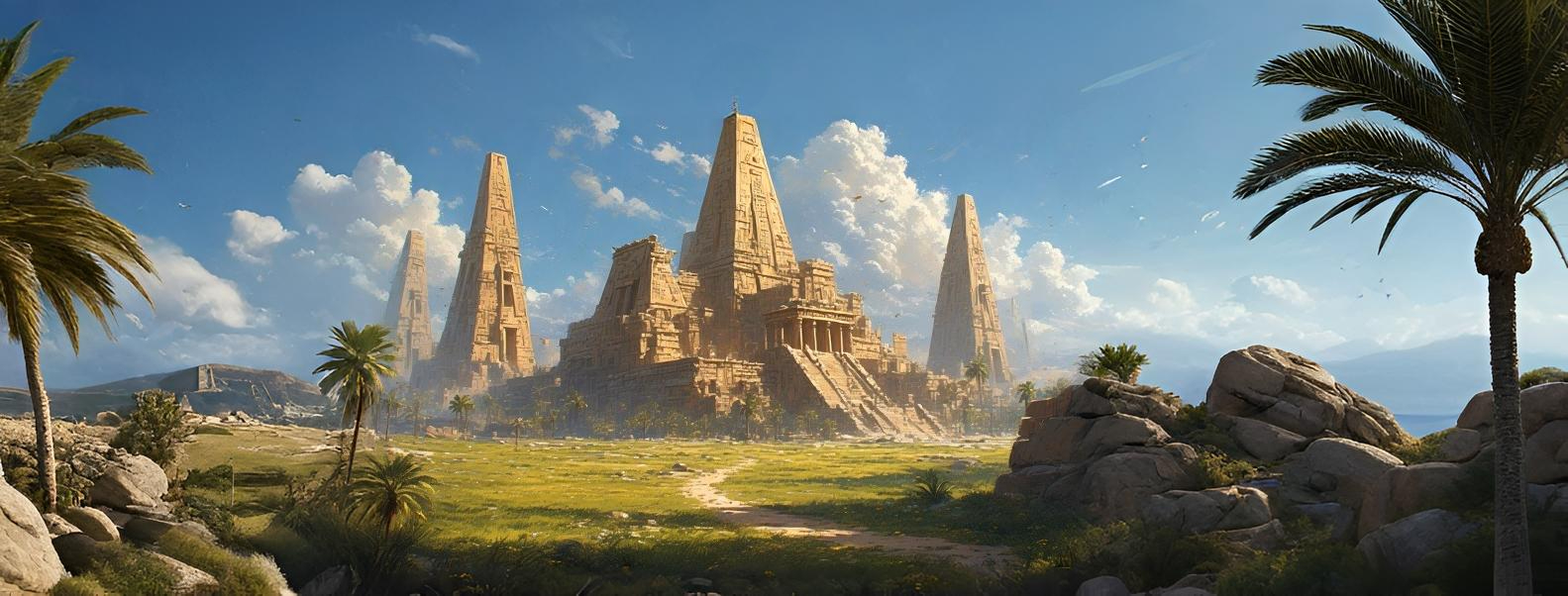

The root of the word Vandyrian is vanguard, but not in the political, artistic, or military sense that term later acquired. The origin is older, stranger, and far less intentional. It comes from mishearing, from damaged media, from analogue decay, and from the particular way myth enters the mind before language hardens into definitions.

In the early 1990s, tape was still dominant. VHS and cassette audio carried with them a property that digital media has largely erased: failure was audible. Stretch, warble, dropout, pitch drift, stutter. Meaning could fracture in motion. A line could arrive malformed, elongated, or half-consumed by noise, and the listener would not automatically assume error. They would assume mystery.
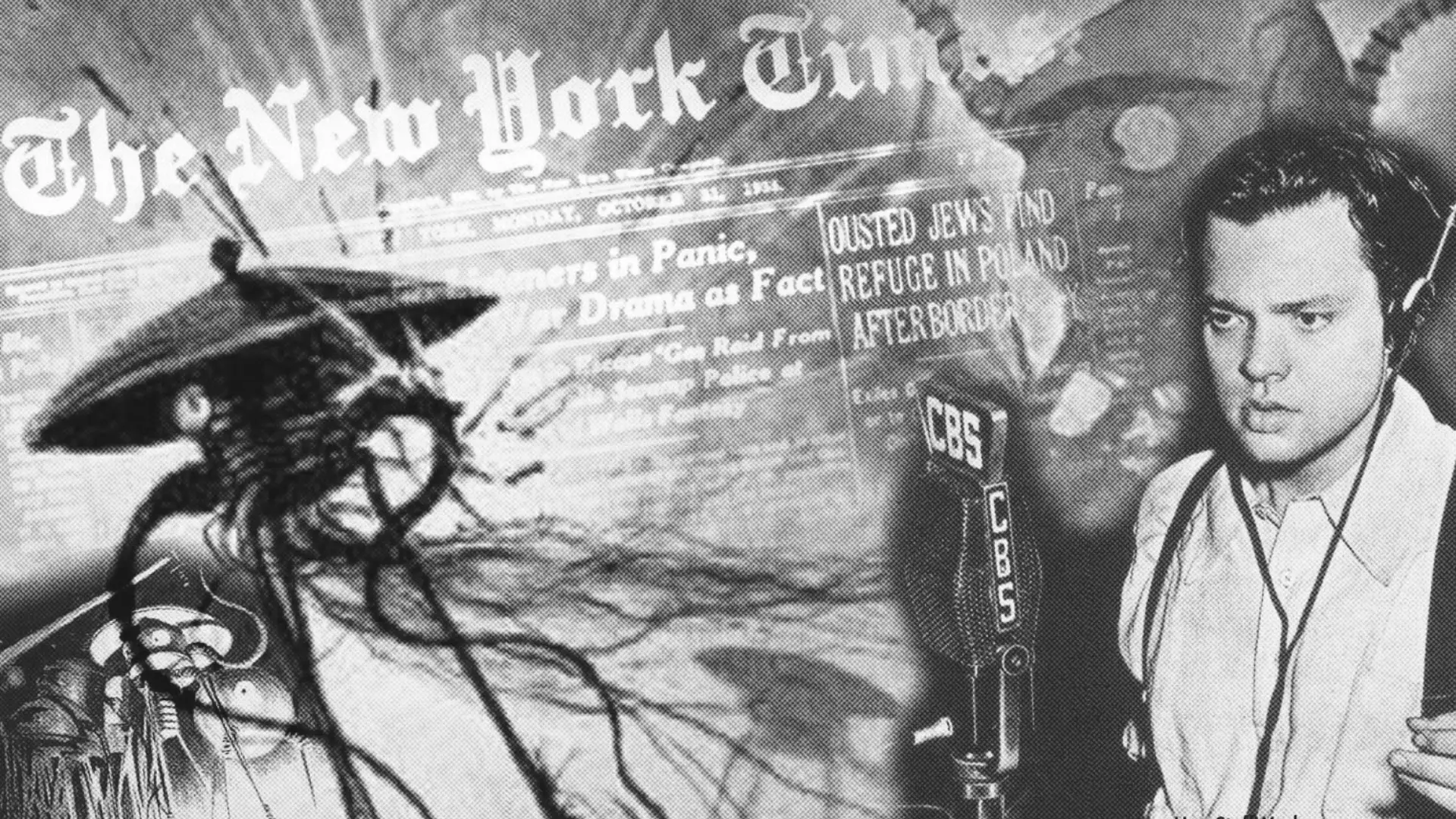
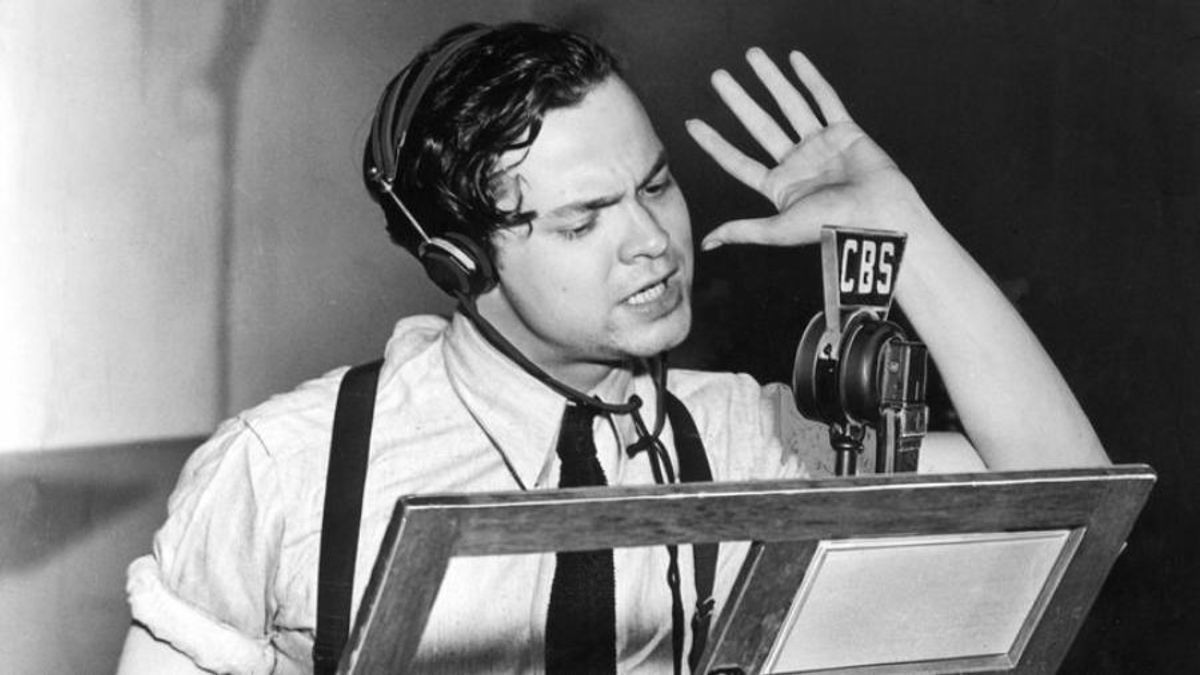
Crow, then roughly Six years old, encountered such a fracture while watching a film that sampled the original 1930s Orson Welles War of the Worlds broadcast. The line is famous and well-documented:
“…the strange beings who landed in the Jersey farmlands tonight are the vanguard of an invading army from the planet Mars.”
But tape does not respect documentation. A stretch artifact distorted the phrase mid-playback, fragmenting syllables, elongating consonants, smearing cadence. What arrived was not “vanguard.” What arrived sounded like something else entirely. Something closer to a proper noun. Something alien. Not the vanguard of an invading army.
This was not registered as an error. There was no internet to correct it, no wiki to consult, no instant replay culture trained to flatten anomaly.
What existed instead was a child’s assumption that he had simply heard the name of a thing he did not yet understand.
If there were Martians, then perhaps Vandyrians were what they were called. Or perhaps they were something older still—something ahead of Mars, beyond it, preceding it. The joke about Martian origin was never entirely a joke.
This matters because this is how myth actually forms. Not through committee. Not through branding. Not through deliberate worldbuilding exercises. It forms through misalignment—between signal and receiver, between expectation and artifact. A damaged transmission creates a gap, and the imagination fills it with structure. A word is born not as definition but as gravity.
“Vandyrian” did not originate as a concept. It originated as a question: what are those? And more importantly, where did they come from? In the pre-internet age, unanswered questions could live for years. They could accrete meaning. They could mature without being corrected out of existence.
This is why Vandyrian functions the way it does. It does not feel like a coined term because it was not coined in the conventional sense. It was misheard, misremembered, and left to ferment. Its phonetics carry the residue of analogue distortion. Its cadence feels slightly off, slightly foreign, because it is. And so the name endured. Not because it was chosen, but because it remained. Misheard, uncorrected, carried forward intact through silence, absence, and time.
The Vandyrians were never meant to be defined at the moment of their arrival. They were meant to be encountered later—through ruins, through echoes, through the arguments of those who came after. That is how civilizations enter myth. Not cleanly spoken into being, but recovered. This is the tale of a Vandyrian civilization.